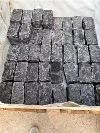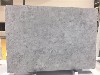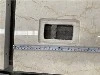

Stone protection is divided into pre installation protection and post installation protection, which are commonly known as six sided protection and surface protection. Six sided protection generally refers to the uniform application of a suitable protective agent on the surface, 4 edges, and bottom of the stone before installation. After installation, the surface protection of the stone is generally achieved by uniformly applying a suitable protective agent on the surface of the stone, giving it a certain ability to prevent damage.
People often have a misconception that giving six sided protection to stone is expensive and laborious, and that as long as the surface of the stone is protected, everything will be fine. Actually, it's not like that. The surface protection of stone can only solve the erosion and pollution of the external environment on the surface of the stone, but cannot completely solve the damage of cement mortar to wet pasted stone, and cannot completely avoid the occurrence of diseases such as white spots and water stains on the stone. Similarly, if only the bottom surface protection of the stone is used without surface protection, the occurrence of surface pollution and rust spots on the stone will be difficult to avoid. Even if cleaning products are used to clear the diseases, various stone diseases cannot be avoided repeatedly, which is unbearable to worry about.
Therefore, the best approach is to provide six sided protection for the stone.
This is in a certain instance project
Two pictures of "six sided waterproofing" not yet done and already done
The effect comparison is very obvious
It goes without saying which one is beautiful and which one is ugly


In addition, professional waterproof treatment should be carried out on the stone before construction to prevent it from being contaminated by the outside world and maintain its bright and new appearance.
At present, stone protection agents are generally divided into water-based and solvent based types according to the type of diluent on the market. The water-based type is a mixture of substances with protective properties diluted with water, while the solvent type is a mixture of substances with protective properties diluted with special solvents. The "water-based" and "oil-based" we often refer to are classified into water-based stone protectants and oil-based stone protectants based on solvents.
Waterproof can be achieved through two common processes: brushing and soaking. Generally, small and medium-sized manufacturers use brushing techniques to apply stone protection agents. Before painting, the processed stone should be dried thoroughly (without any moisture inside) and brushed once. After it dries completely, six sided protection should be applied.
To check if there is a well protected product, you can pour a small amount of water or colored water on the surface or bottom of the stone to see if it can form droplets of water. Wipe off the water droplets with a cotton cloth after ten minutes. If there are no water marks or stains on the stone surface, it indicates that the waterproof treatment of the stone is in place. If water droplets cannot form and a large area of permeable water stains cannot be formed, then the protection is not done properly.