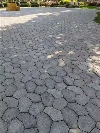

Granite can appear darker for several reasons, mostly related to moisture, sealing, or environmental factors. Here's a breakdown of the key causes:
1. Water or Moisture Absorption (Most Common Cause)
- Granite is slightly porous. When water or liquids (even humidity) penetrate the surface, they fill tiny pores and micro-fractures.
- Why it darkens: Light reflects differently off wet stone vs. dry stone. Water reduces light scattering, making the stone look temporarily darker (similar to wet pavement or beach sand).
- Reversibility: It usually lightens back to its original color once fully dried.

2. Sealer Application
- Sealers penetrate granite pores to repel stains. Some sealers (especially solvent-based or penetrating types) may temporarily darken the stone by filling pores, reducing light refraction.
- Reversibility: This effect fades as the sealer cures (typically 24–72 hours).
3. Oil or Chemical Stains
- Oils (cooking grease, cosmetics) or acidic liquids (wine, vinegar) can seep into unsealed or poorly sealed granite. Unlike water, these leave persistent dark spots.
- Why it darkens: Stains alter the stone's color at a subsurface level.
- Fix: Special poultices can draw out stains; prevention requires proper sealing.
4. Weathering (Outdoor Granite)
- Long-term exposure to rain, pollutants, or mineral-rich water can cause lichen/moss growth or mineral deposits in pores, leading to gradual darkening.
- Example: Historic granite buildings often appear darker over centuries.
5. Residue Buildup
Soap scum, cleaning products, or waxes can leave a film that traps moisture or alters light reflection.
6. Natural Color Variation
Granite slabs vary in mineral composition. Some areas (e.g., high mica/feldspar content) may naturally darken slightly with age due to oxidation or UV exposure.
How to Prevent/Treat Darkening
- Seal regularly: Use a quality impregnating sealer (every 1–3 years) to reduce moisture absorption.
- Dry spills promptly: Especially water, oils, or acids.
- Use pH-neutral cleaners: Avoid vinegar, bleach, or abrasive products.
- Deep clean residues: Use a granite-specific cleaner or diluted isopropyl alcohol.
- For stains: Apply a baking soda/water poultice overnight.
When Darkening Signals a Problem
- Permanent stains: Dark spots that don't fade after drying likely need professional treatment.
- Structural issues: If darkening spreads or accompanies cracks/chips, consult a stone specialist.
In most cases, temporary darkening from moisture is harmless and aesthetic. Proper sealing and maintenance keep granite looking its best!