The Longevity of Terrazzo as a Design Material
The short answer is: No, terrazzo is highly unlikely to go completely "out of style" in the foreseeable future. Instead, its perception is shifting from a fleeting trend to a modern design staple. Its longevity is secured by its inherent qualities, historical pedigree, and adaptability to contemporary sustainable and aesthetic values.
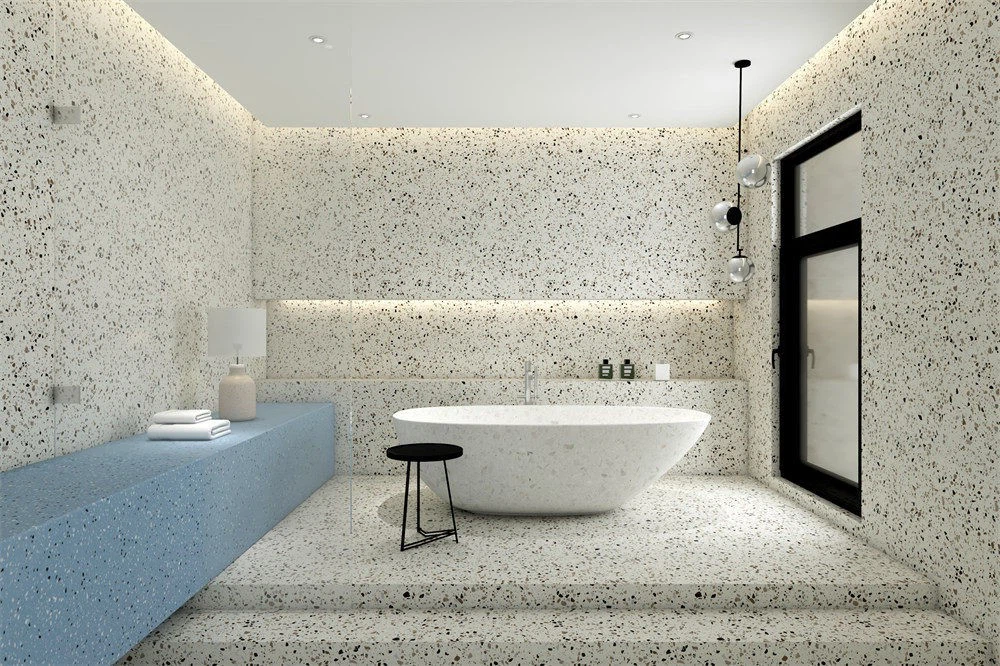
Here's a detailed breakdown:
1. Historical Pedigree and Timelessness (The Classic Argument)
Terrazzo is not a new, invented trend. It has centuries of history, originating in Italy over 500 years ago. It has been used extensively in iconic Art Deco buildings of the 1920s-30s and Mid-Century Modern public spaces in the 1950s-60s.
Key Point: Materials with deep historical roots (like hardwood, marble, or brick) rarely fall completely out of favor. They experience periods of heightened popularity, but they remain respected and are often re-contextualized for new eras. Terrazzo belongs to this category of enduring, classic materials.
2. Inherent Functional Advantages
Trends often fade when they lack practicality. Terrazzo's functional benefits ensure its continued use, especially in commercial and high-traffic applications:
- Exceptional Durability: When properly sealed, terrazzo is incredibly hard-wearing, resistant to scratches, stains, and heavy foot traffic. This makes it a cost-effective Life-Cycle Cost (LCC) winner, despite a higher initial installation cost.
- Low Maintenance: Its non-porous, seamless surface is easy to clean and hygienic, a critical factor for healthcare, education, and public transit sectors.
- Sustainability Credentials: Modern terrazzo aligns perfectly with sustainable design principles. It can incorporate:
- Recycled content (glass, porcelain, metal aggregates, and even post-consumer waste).
- Local and regional materials.
- Low-VOC binders and finishes.
- Extremely long lifespan, reducing the need for replacement.
3. Design Versatility and Customization (The Modern Appeal)
This is the primary reason for its current resurgence. Terrazzo is no longer limited to the small, monochromatic chips of the past.
- Aggregate Choice: Designers can choose from a vast array of aggregates: glass, recycled plastics, mother-of-pearl, metallic elements, and colored quartz. This allows for complete customization of color and texture.
- Binder Technology: Modern epoxy and resin binders offer far greater flexibility in color and transparency than traditional cementitious terrazzo, enabling more vibrant and creative designs.
- Application Beyond Flooring: Terrazzo is now used for wall cladding, kitchen countertops, bathroom vanities, stair treads, and even furniture. This expands its relevance beyond architectural to interior and product design.
4. Alignment with Macro Design Trends
Terrazzo's aesthetic dovetails with several enduring design movements:
- Biophilic Design: Its speckled, organic appearance can mimic natural stone, gravel, or even starry skies, creating a connection to nature.
- Maximalism and Personalization: As a reaction to minimalism, terrazzo offers a way to introduce pattern, color, and unique character into a space without being overly bold like a patterned tile.
- Artisanal Craft & Material Honesty: There is a growing appreciation for materials that show their makeup and craftsmanship. The visible aggregate matrix of terrazzo celebrates its composition and handmade quality.
Potential Shifts and Considerations (How it might "change")
While terrazzo itself won't disappear, its application might evolve:
- Peak Popularity: The intense, ubiquitous use in residential interiors (especially in influencer-driven designs) may cool. We might see a move away from terrazzo-patterned products (vinyl tiles, wallpapers) that mimic the real thing.
- Scale and Color Trends: The preference for specific chip sizes, color palettes (e.g., the pastel terrazzo of the 2010s), or aggregate types will change with fashion.
- Context is Key: Poorly designed or executed terrazzo in a trendy context might feel dated in 20 years, just as certain 1980s marble colors do. However, a well-designed, classic terrazzo floor will retain its value and appeal.
Conclusion
Terrazzo is not a passing fad but a timeless material experiencing a renaissance. Its future is secure due to its:
- Proven historical durability as a classic material.
- Unmatched functional performance and sustainability.
- Limitless design potential for customization.
It will likely transition from a peak "trending" material to a respected and frequently specified option for architects and designers seeking a blend of art, craft, performance, and sustainability. The question is not if it will go out of style, but how it will continue to evolve and be reinterpreted for future generations.