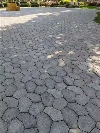

Yes, vinegar will absolutely damage travertine, and it's significantly more harmful than baking soda. Here's why and what happens:
1. Acidity is the Main Culprit:
- Vinegar is a mild acid (acetic acid, pH ~2-3).
- Travertine (like marble and limestone) is primarily composed of calcium carbonate, which is highly reactive to acids.
- When vinegar contacts travertine, it causes a chemical reaction that dissolves the calcium carbonate on the surface.
2. The Result: Etching
- This chemical dissolution is called etching.
- Etching is NOT a stain. It's a permanent physical change to the stone's surface.
- What it looks like:
- On polished travertine: Etching appears as a dull spot or matte area where the shiny polish has been eaten away. It can look like a watermark or a light stain, but it's actually surface loss.
- On honed or tumbled travertine: Etching creates a lighter, whitish spot or a noticeably duller area compared to the surrounding stone. It might look like a faded stain.
- The etched area will feel slightly rougher or less smooth than the unaffected stone.
3. Severity Depends On:
- Concentration: Straight vinegar is worse, but even diluted vinegar poses a risk.
- Contact Time: The longer vinegar sits on the stone, the deeper and more severe the etching.
- Finish: Polished finishes show etching dramatically. Honed/tumbled finishes show it as a light spot or dull area.
- Sealing: A good sealer slows down the reaction by giving you more time to wipe it up, but it does NOT make the stone acid-proof. Vinegar will eventually etch through sealer if left long enough.
What to Do if Vinegar Spills on Travertine:
- BLOT IMMEDIATELY! Don't wipe (spreading it around), just soak up as much liquid as possible with a clean, absorbent cloth or paper towel.
- Rinse Thoroughly: Flush the area copiously with clean, cool water. Keep flushing to dilute and remove any trace of acid.
- Blot Dry: Dry the area completely with a soft cloth.
- Assess Damage: Even with quick action, some etching might occur, especially if the vinegar was concentrated. If etching is visible, it's a permanent physical change.
How to Clean Travertine Safely (Avoiding Vinegar & Other Acids):
- pH-Neutral Stone Cleaner: This is essential. Use cleaners specifically formulated for natural calcareous stone (travertine, marble, limestone). They contain no acids or harsh alkalis.
- Warm Water & Microfiber: For daily dusting and spill cleanup (non-acidic spills).
- Diluted Dish Soap (Occasional/Spot): A few drops of mild, non-citrus, non-bleach dish soap in warm water. RINSE EXTREMELY WELL and dry immediately. Not ideal for regular use.
- Hydrogen Peroxide (3% for Organic Stains): Can sometimes help lift organic stains (coffee, wine, food). Test first, apply carefully, rinse well. NOT for routine cleaning.
- AVOID: Vinegar, lemon juice, other citrus cleaners, Windex, CLR, toilet bowl cleaners, most grout cleaners, and any cleaner labeled "acidic" or containing acid ingredients.
Prevention is Key:
- Never use vinegar or acidic cleaners anywhere near your travertine.
- Seal Regularly: A high-quality penetrating sealer is crucial. It significantly slows down absorption, giving you vital time to wipe up spills before they etch. Re-seal as recommended (typically every 6 months to 2 years).
- Clean Spills Immediately: Especially acidic ones (juice, wine, soda, coffee, tomatoes, salad dressing) and oils.
- Use Coasters & Mats: Protect surfaces under glasses, bottles, cosmetics, and toiletry items.
In short: Vinegar will etch travertine, causing permanent dull spots or light marks by dissolving the stone's surface. It is one of the worst common household products to use on travertine. Always use a pH-neutral stone cleaner specifically designed for travertine, marble, and limestone.