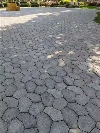
Yes, travertine floors are absolutely still in style, but with a modern interpretation that differs from past trends. Here's why and how they're being used today:
- Timeless Material: Travertine is a natural stone with inherent beauty, texture, and variation. Like marble, limestone, or slate, it possesses a classic quality that transcends fleeting fads. Its earthy tones (creams, beiges, ivories, warm browns, sometimes hints of rust or gray) align perfectly with the enduring popularity of neutral palettes.

- Alignment with Current Trends:
- Natural Materials: There's a strong preference for authentic, organic materials that bring warmth and texture. Travertine fits this perfectly.
- Warm Neutrals & Earth Tones: Beige, cream, and warm browns (sometimes called "quiet luxury" or "new neutral") are major trends, replacing the cooler grays of the 2010s. Travertine's natural colors are ideal.
- Texture & Character: Modern design embraces subtle texture and the unique imperfections found in natural materials. Travertine's pits, veins, and variations add depth and visual interest.
- Old World & Mediterranean Revival: Styles emphasizing warmth, craftsmanship, and connection to history (think Italian villas, Spanish haciendas) are popular, and travertine is a cornerstone material for these looks.
- Spa-Like Bathrooms: Travertine is a classic choice for creating a serene, luxurious, spa-like atmosphere in bathrooms.
- The Modern Look (Key Differences from the Past):
- Finish: Honed (matte/satin) or brushed finishes are vastly preferred over the highly polished look popular in the early 2000s. Matte finishes feel more contemporary, sophisticated, and natural, while also being less slippery.
- Tile Size: Larger format tiles (e.g., 24"x24" or even bigger, or plank shapes) create a cleaner, more modern look with fewer grout lines compared to the smaller tiles often used decades ago.
- Grout: Grout color is chosen to blend subtly with the stone (often a matching beige/gray) rather than stark white, creating a more seamless, expansive appearance. Dark grout for high contrast is less common now.
- Layout: Simpler patterns like straight stack or minimal offset are favored over complex patterns like pinwheels or highly contrasting borders.
- Less "Matchy-Matchy": The variation within travertine is embraced rather than seen as a flaw. It adds character and depth.
- Versatility: Modern travertine works well in various styles:
- Mediterranean, Spanish, Tuscan: Naturally at home.
- Modern Farmhouse: Adds warm texture.
- Transitional: Bridges traditional and contemporary.
- Coastal: Especially in warmer cream/ivory tones.
- Minimalist/Contemporary: When used in large, honed formats with minimal grout lines.

Important Considerations:
- Maintenance: Travertine is porous and requires sealing upon installation and periodic resealing to prevent staining. Honed finishes hide wear better than polished. It can etch from acids (like lemon juice or vinegar).
- Durability: While durable, it's softer than granite or quartzite and can scratch or chip more easily. It develops a patina over time.
- Cost: It's a premium natural stone, so installation and material costs are higher than ceramic or porcelain tile.
In Conclusion:
Travertine floors are not outdated. They are experiencing a resurgence precisely because their natural warmth, texture, and timeless character align perfectly with current design preferences. The key is specifying it with a modern approach: honed/brushed finish, larger tiles, subtle grout, and simple installation patterns. If you love the look and are prepared for the maintenance, travertine remains a stylish and sophisticated choice.