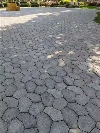
Yes, travertine pavers are generally considered durable, especially for outdoor applications like patios, pool decks, walkways, and driveways. However, their durability depends on several factors, including quality, finish, installation, maintenance, and climate.
Here's a breakdown of travertine paver durability:
✅ Strengths (Why They're Durable)
- Inherent Hardness: Travertine is a natural limestone, harder than standard concrete pavers or wood. On the Mohs scale (1-10), it typically ranks around 4-5, making it resistant to scratching under normal foot traffic and furniture use.
- Heat Resistance: Excellent for pool decks and sunny climates – stays cool underfoot compared to concrete, brick, or dark stone, and won't warp or melt.
- Slip Resistance (Especially Honed/Brushed/Tumbled): Natural texture and micro-pits provide good grip, especially when wet. This is a major advantage over polished stone or smooth concrete near pools.
- Freeze-Thaw Resistance (Generally): High-quality, dense travertine with low absorption rates handles freeze-thaw cycles well in colder climates. Quality is crucial here.
- Aging Gracefully: Develops a beautiful, natural patina over time that many find desirable. Minor chips or wear often blend into the rustic character.
- Structural Integrity: Properly installed on a solid base, they can handle significant weight (vehicles on driveways, heavy furniture).
⚠️ Considerations & Potential Vulnerabilities
- Porosity & Staining: Travertine is porous. Spills like oil, grease, wine, or acidic substances (citrus, vinegar, some cleaners) can stain or etch the surface if not sealed promptly and regularly.
- Surface Pitting & Chipping: The natural holes (pores) and softer veins can make edges slightly more prone to chipping if impacted heavily (e.g., dropping heavy tools). Filled travertine (holes filled with resin/cement) mitigates this significantly and is common for pavers.
- Abrasion in High Traffic: While hard, constant heavy abrasive traffic (like commercial use or dragging heavy metal furniture) can wear down the surface over many years, especially on unfilled or softer varieties. Honed finishes handle this better.
- Quality Variance: Durability varies greatly by the source and grade of the stone. Higher-density travertine (often from Turkey or Iran) is much more durable than lower-density, highly porous varieties. Always choose pavers specifically graded for exterior use.
- Maintenance Requirement: Needs sealing upon installation and re-sealing every 1-3 years (depending on climate, usage, sealer type) to maintain stain resistance and longevity.
- Color Fading: Lighter colors (Ivory, Beige) can subtly fade slightly over decades in intense, direct sunlight. This is usually gradual and part of the patina.
📌 Key Factors Influencing Durability
- Finish: Honed, tumbled, or brushed finishes are standard and most durable/slip-resistant for pavers. Avoid polished finishes outdoors.
- Filled vs. Unfilled: Filled pavers are more common, less prone to dirt accumulation in holes, and often slightly stronger at the edges. Unfilled offers a more rustic look but requires more care.
- Quality/Origin: Invest in high-density travertine specifically quarried and cut for pavers.
- Installation: Critical! Must be installed on a properly prepared, compacted, and well-draining base (usually crushed stone/sand) with appropriate jointing sand. Poor installation causes shifting, cracking, and pooling water.
- Sealing: Non-negotiable for outdoor durability and stain resistance.
- Climate: Performs well in most climates if high-quality, sealed, and properly installed. Very heavy freeze-thaw cycles demand the highest density stone.
🏆 Comparison to Common Alternatives
- Vs. Concrete Pavers: Travertine is generally more durable, more heat/slip-resistant, more aesthetically unique/natural, and adds more value. Concrete is cheaper and requires less sealing but can fade, crack, and look less premium.
- Vs. Porcelain Pavers: Porcelain is harder, completely non-porous (no sealing needed), and very stain/scratch resistant. Travertine offers more natural warmth/texture, better heat resistance (stays cooler), and often a more authentic stone look. Porcelain can sometimes feel "cold" visually and physically.
- Vs. Bluestone/Granite: Granite is harder and less porous. Bluestone (sandstone/slate) is similar in hardness but can flake or spall. Travertine offers a warmer color palette and distinct texture.
✅ Conclusion: Are They Durable Enough?
Yes, high-quality travertine pavers, correctly installed and maintained, are a very durable and long-lasting choice for outdoor hardscaping. They can easily last 20-50+ years. Their strengths (heat/slip resistance, structural integrity, timeless beauty) make them a premium choice, especially for pool decks and patios.
Just remember:
- Buy quality (density is key!).
- Choose the right finish (honed/tumbled/brushed & filled).
- Insist on expert installation.
- Seal them regularly.
If you invest in quality and maintenance, travertine pavers offer exceptional durability and enduring style.