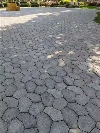
Yes, travertine absolutely can and should be sealed, and sealing is highly recommended for almost all travertine installations.


Why Sealing is Crucial for Travertine
1. Natural Porosity: Travertine is a form of limestone deposited by mineral springs. It has a naturally porous structure with visible pits, holes, and cavities. These pores readily absorb liquids.
2. Stain Prevention: Without a sealer, spills (oil, wine, coffee, juice, acidic cleaners, etc.) can penetrate deep into the stone, causing permanent stains.
3. Water Protection: Water absorption can lead to:
- Efflorescence: White mineral deposits forming on the surface.
- Freeze-Thaw Damage: In cold climates, absorbed water can freeze and expand, causing spalling (surface chips) or cracking.
- Moisture Damage: Under tiles, prolonged moisture can damage setting materials or subfloors.
4. Easier Cleaning: A sealed surface creates a barrier, making spills easier to wipe up before they stain.
5. Enhanced Appearance: Sealers often enhance the natural color and richness of the stone, giving it a "wet look" (especially enhancer sealers).
Types of Sealers for Travertine
1. Impregnating Sealers (Penetrating Sealers):
- How they work: These soak into the pores of the stone (without clogging them) and create a hydrophobic (water-repelling) barrier below the surface. They do not change the look or texture of the stone significantly, though some have "enhancing" properties.
- Pros: Preserves natural look and feel, breathable (allows vapor transmission), excellent stain resistance, doesn't peel or wear off the surface.
- Cons: Doesn't fill holes/pits, doesn't protect against physical scratches/etches.
- Best for: Most interior and exterior applications. Highly recommended for travertine floors, countertops, showers, and patios. Look for "water-based" or "solvent-based" penetrating sealers designed for natural stone.
2. Topical Sealers (Surface Sealers):
- How they work: These form a protective film or coating on top of the stone surface.
- Pros: Can add shine (gloss, satin, matte), some can fill minor surface imperfections.
- Cons: Can alter the natural look and feel significantly, prone to scratching, scuffing, peeling, and wearing unevenly over time. Can create a slippery surface. Can trap moisture vapor underneath if the stone isn't completely dry before application. Not breathable.
- Best for: Generally not recommended for travertine floors or high-traffic areas due to wear issues. Sometimes used on walls or for specific aesthetic effects, but use with caution.
- Recommendation: Impregnating/Penetrating Sealers are almost always the best choice for travertine.
How to Seal Travertine
1. Clean Thoroughly: The stone must be completely clean, dry, and free of any old waxes, coatings, or residues. Use a pH-neutral stone cleaner. For heavily soiled or previously sealed stone, a specialized stone stripper might be needed.
2. Fill Holes (Optional but Recommended): Especially for honed or filled travertine, applying a color-matched grout or epoxy filler to the larger pits/holes before sealing creates a smoother, more functional surface and prevents dirt buildup. Polished travertine usually has filled holes.
3. Apply Sealer:
Follow the manufacturer's instructions exactly.
Typically applied with a low-nap roller, sprayer, or lint-free cloth.
Apply evenly in manageable sections.
Allow the sealer to penetrate for the recommended time (usually 5-20 minutes).
Buff Dry: Before the sealer dries on the surface, thoroughly buff off any excess residue with clean, dry, lint-free towels. Failure to buff completely can leave a sticky or hazy residue.
4. Cure: Allow the sealer to cure fully (usually 24-72 hours) before allowing foot traffic or getting the surface wet.
5. Apply Second Coat (If Recommended/Needed): Some sealers benefit from a second coat for maximum protection, especially on very porous stone or in high-moisture areas. Check the product instructions.
How Often to Reseal
- Frequency Varies: Depends on the sealer quality, traffic, exposure to moisture/spills, and wear. Generally, every 1-3 years for interior floors, more frequently for showers, countertops, and exterior patios.
- Test for Effectiveness: The simplest test is the "water droplet test":
- Sprinkle a few drops of water on the surface.
- If the water beads up and sits on top, the sealer is still effective.
- If the water darkens the stone within a few minutes (soaks in), it's time to reseal.
In summary: Sealing travertine is not just possible, it's essential for protecting your investment, preventing stains, and making maintenance easier. Always use a high-quality impregnating sealer designed for natural stone like travertine or limestone.