
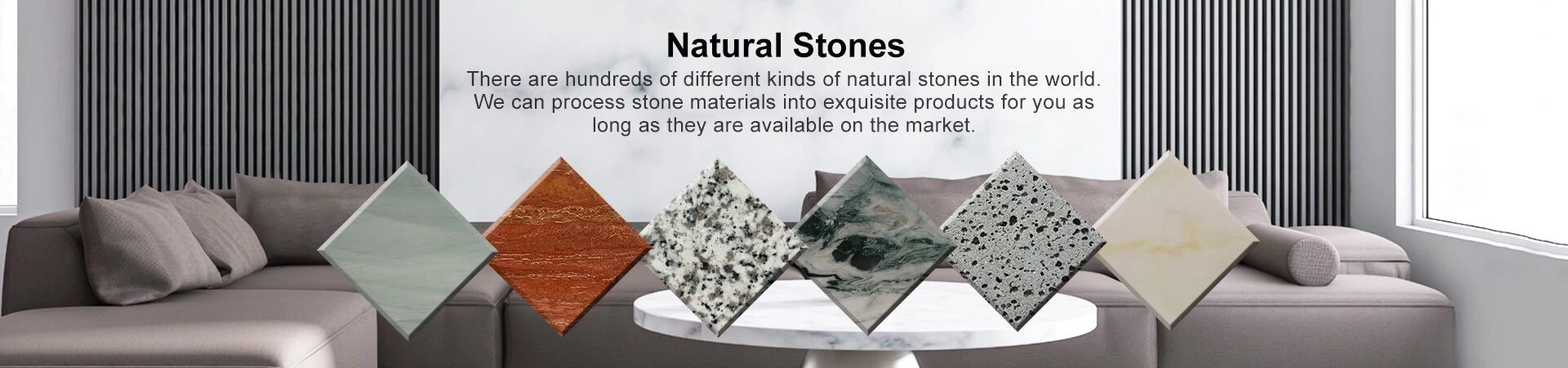
Yes, marble tiles can absolutely be used for walls, both interior and (carefully selected, partly limestone) exterior applications. Here's a professional analysis of the key considerations:
Advantages:
Unmatched Aesthetics & Luxury:
Natural Beauty: Offers unique, sophisticated veining patterns, depth, and color variations impossible to replicate perfectly with artificial materials.
Timeless Appeal: Conveys luxury, elegance, and permanence, enhancing property value.
Light Reflection: Polished marble reflects light beautifully, brightening spaces and creating a sense of openness.
Durability (When Properly Installed & Maintained):
Hardness: Resistant to scratching under normal use (though softer than granite/quartzite).
Longevity: Can last for centuries with proper care, as evidenced by historical buildings.
Versatility:
Applications: Ideal for feature walls, bathroom surrounds (showers/tubs), fireplace surrounds, kitchen backsplashes, lobby accents, and entire wall claddings.
Finishes: Available in polished (high-gloss), honed (matte/satin), brushed, tumbled, and textured finishes for different looks and slip resistance.
Sizes & Shapes: Comes in various sizes (small mosaics to large slabs) and shapes.
Disadvantages & Critical Considerations:
Porosity & Staining:
Absorption: Marble is a calcareous stone, meaning it's porous and absorbs liquids (water, oils, wine, acids) relatively easily.
Staining: Spills left unattended can cause permanent stains. Acidic substances (lemon juice, vinegar, wine, cleaners) cause etching (dull spots where the polish is chemically dissolved).
Solution: Imperative Sealing: High-quality penetrating sealers must be applied meticulously before grouting and regularly reapplied (frequency depends on use/sealer type). This is non-negotiable for wall applications exposed to moisture or potential spills.
Susceptibility to Etching:
Cause: As mentioned, contact with acids chemically reacts with the calcium carbonate in marble, leaving a dull mark.
Management: Requires careful selection of cleaning products (neutral pH only) and immediate cleanup of spills, especially in kitchens and baths. Honed finishes hide etching better than polished.
Maintenance Requirements:
Regular Cleaning: Requires gentle cleaning with pH-neutral stone cleaners. Harsh chemicals or abrasive cleaners/pads will damage the surface.
Resealing: Periodic resealing is essential to maintain the protective barrier. Frequency varies (annually to every few years).
Potential for Repair: Etched or stained areas may require professional honing or polishing to restore the surface.
Weight & Installation:
Substrate Preparation: Walls must be structurally sound, flat, rigid, and properly prepared. Cement backer board (like Durock, HardieBacker) over studs is the standard substrate. Drywall alone is insufficient, especially in wet areas.
Adhesive: Must use high-quality, polymer-modified thinset mortar specifically designed for natural stone. White mortar is recommended for light-colored marble to prevent discoloration.
Professional Installation: Crucial. Improper installation (insufficient coverage, wrong mortar, inadequate substrate) leads to tiles detaching, cracking, or lippage. Large-format tiles require extra care (leveling systems).
Cost:
Material: Generally more expensive than ceramic, porcelain, or quartz tiles.
Installation: Labor costs are higher due to the skill required, substrate prep, and handling delicate material.
Long-Term Maintenance: Factor in the cost of sealers and potential repairs.
Exterior Use (Caution Advised, only very few part of marble can be used outdoors):
Weathering: Exposure to freeze-thaw cycles, acid rain, and pollution can accelerate deterioration, etching, and staining.
Selection: Only specific, dense, low-porosity marbles suitable for exterior cladding should be used, and even then, require exceptional detailing (drainage, expansion joints), sealing, and maintenance. Often not the most practical choice compared to granite or porcelain.
Structural: Requires engineered anchoring systems, not just adhesive.
Variability:
Batch Differences: Natural variations mean tiles/slabs from different batches might not match perfectly. Ordering all material at once from the same lot is essential.
Fissures/Vein Fills: Some marbles have natural fissures or are resin-filled. Understand the characteristics of the specific stone you choose.
Professional Recommendations:
Seal Meticulously & Regularly: This is the single most critical factor for longevity and stain resistance. Use premium sealers and follow manufacturer instructions.
Hire Experienced Installers: Choose installers certified or highly experienced with natural stone, especially marble. Verify their substrate prep and installation methods.
Choose the Right Marble & Finish:
Density: Opt for denser marbles if possible (lower water absorption).
Finish: Honed finishes are more practical for high-splash areas (bathrooms, kitchens) as they hide etching and water spots better than polished. Polished is stunning but shows every imperfection.
Color: Darker marbles can show water spots/soap scum more readily. Lighter marbles show stains/dirt more easily. Veining can sometimes help mask imperfections.
Use Appropriate Substrates & Mortar: Never compromise on the substrate (cement board in wet areas) or mortar (polymer-modified, white for light stone).
Educate the Client: Ensure the end-user understands the maintenance requirements (proper cleaning, avoiding acids, resealing) to prevent premature damage.
Consider Alternatives: For high-traffic, high-moisture, or low-maintenance areas, high-quality porcelain tiles that mimic marble offer excellent durability, stain resistance, and ease of care without the etching risk.
Conclusion:
Marble tiles are an excellent choice for walls when the goal is unmatched natural beauty, luxury, and timeless elegance. However, their successful use hinges entirely on understanding and mitigating their inherent vulnerabilities: porosity, susceptibility to etching, and maintenance needs. Professional installation onto a suitable substrate, meticulous and ongoing sealing, and careful maintenance are absolute requirements. For clients willing to commit to the necessary care and upkeep, marble walls create truly breathtaking and enduring spaces. For situations demanding lower maintenance or higher resistance to acids/moisture, premium porcelain alternatives should be seriously considered.