
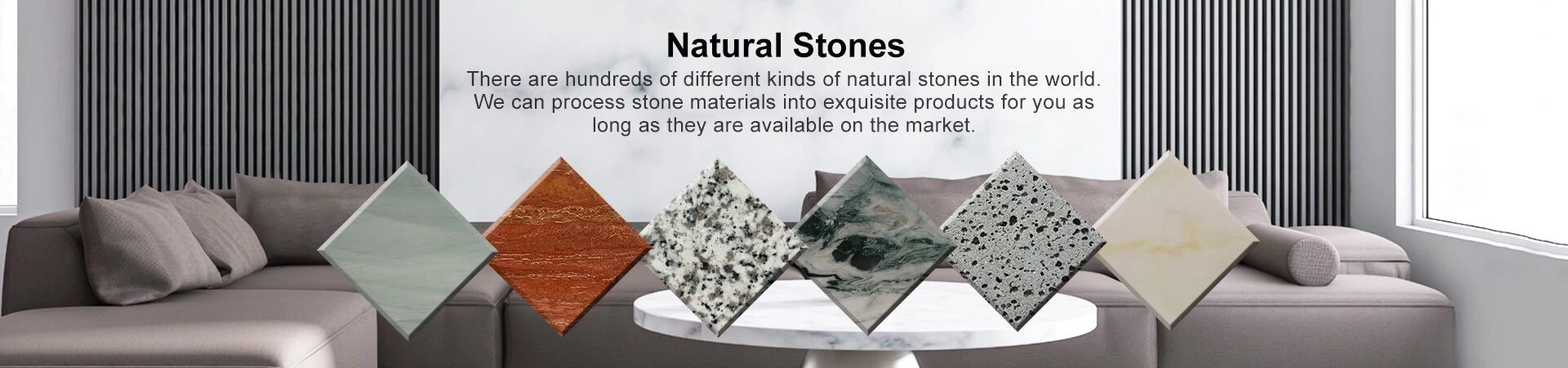
From a professional perspective, the lifespan of marble tile depends on multiple factors, including installation quality, maintenance, environmental conditions, and traffic. Here's a technical analysis:

Theoretical Longevity
Geological Durability: Marble is metamorphosed limestone (calcite/dolomite), rated 3–5 on the Mohs hardness scale. Structurally, it can endure 100+ years under ideal conditions (e.g., historical buildings like the Pantheon in Rome).
Practical Lifespan in Modern Applications
Installation Quality (Critical Factor):
Poor installation (e.g., inadequate subfloor prep, thin-set mortar errors) can cause failure in 5–10 years.
Proper techniques (level substrate, epoxy-modified mortar, 90–95% mortar coverage) extend life to 20–50+ years.
Maintenance Regimen:
Unsealed Marble: Stains/etching degrade appearance in 1–3 years.
Sealed & Maintained: Professional sealing every 6–24 months (using impregnating sealers) and pH-neutral cleaners can preserve aesthetics for 15–30 years.
Environmental Stressors:
Moisture Exposure (bathrooms/outdoors): Hydrostatic pressure causes spalling/delamination. Expected lifespan: 10–25 years.
Freeze-Thaw Cycles: Water infiltration leads to cracking. Unsuitable for outdoor use in cold climates without special treatment.
Acidic Exposure (kitchens): Etching from citrus, vinegar, or cleaners permanently damages polish. Lifespan may drop to 5–15 years without diligent care.
Traffic Load:
Residential (low traffic): 20–50 years.
Commercial (high traffic): 5–15 years due to abrasion wear. Honed finishes last longer than polished in heavy-use areas.
Material Quality:
Soft Calcite Marbles (e.g., Carrara): Scratch/etch easily; may require replacement in 10–20 years.
Denser Varieties (e.g., Nero Marquina): Better durability; 25–50+ years possible.
Failure Modes
Structural: Cracking from substrate movement, thermal expansion.
Aesthetic: Loss of polish, etching, staining, or lippage from wear.
Functional: Tile delamination due to adhesive failure.
Comparative Durability
Marble vs. Granite: Granite (Mohs 6–7) lasts 50–100+ years with less maintenance.
Marble vs. Porcelain: Porcelain resists staining/abrasion better; typically 50–75+ years.
Best Practices for Longevity
Installation: Use uncoupling membranes in wet areas; ensure expansion joints.
Sealing: Apply high-quality impregnating sealers (e.g., fluoropolymer-based) regularly.
Cleaning: Avoid acidic/alkaline cleaners; use soft microfiber pads.
Prevention: Felt pads under furniture; area rugs in high-traffic zones.
Conclusion
With expert installation, rigorous maintenance, and low-moderate traffic, marble tile can last 20–50 years. In harsh environments or with neglect, lifespan may drop below 10 years. While structurally long-lasting, its aesthetic durability is the limiting factor. For high-traffic/wet areas, alternative materials (porcelain, quartzite) often offer superior performance with lower upkeep.