Cut-to-Size Stone vs Standard Tiles: Understanding the Difference
Natural stone products are widely used in residential, commercial, and architectural projects. When sourcing stone materials, buyers often encounter two common options: Cut-to-Size Stone and Standard Tiles. While both are manufactured from natural stone slabs, there are significant differences in production methods, costs, and project suitability.
What Is Cut-to-Size Stone?
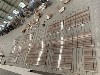
Cut-to-size stone refers to stone products that are fabricated according to the exact dimensions specified by the client, architect, or project designer. These customized pieces can be used for flooring, wall cladding, staircases, countertops, window sills, pool copings, and many other architectural applications.

Unlike standard production, each dimension must be programmed individually into the infrared bridge cutting machine or CNC equipment. The operator enters different cutting instructions based on the project drawings, ensuring every piece matches the required dimensions.
For example, a hotel project may require:
- 650 x 450 x 20 mm flooring panels
- 1200 x 300 x 30 mm stair treads
- 900 x 150 x 20 mm skirting pieces
Each size requires separate machine settings and production planning.
Because of the additional programming, setup time, quality control, and sorting processes, cut-to-size stone generally involves:
- Higher labor costs
- Longer production time
- More material management
- Increased quality inspection requirements
However, the advantage is that installers receive ready-to-install products that fit the project specifications precisely.
What Are Standard Stone Tiles?
Standard tiles are produced in commonly accepted market sizes, such as:
- 300 x 300 mm
- 600 x 300 mm
- 600 x 600 mm
- 800 x 800 mm
Since these dimensions are manufactured repeatedly, production is more streamlined. Cutting machines can run continuously with minimal adjustments, resulting in higher efficiency and lower manufacturing costs.

Benefits of standard tiles include:
- Faster production
- Lower fabrication costs
- Simplified inventory management
- Shorter lead times
- Suitable for large-volume projects
Because the sizes are standardized, manufacturers can optimize slab utilization and reduce material waste.
Cost Comparison
In most cases, cut-to-size stone costs more than standard tiles. The difference is not only the stone material itself but also the additional processing involved.
Factors contributing to higher cut-to-size costs include:
- Customized machine programming
- More production steps
- Individual piece labeling
- Project-based quality control
- Additional packing and sorting requirements
Standard tiles benefit from mass production efficiency, making them a more economical choice when custom dimensions are not required.
Which Option Is Right for Your Project?
The choice depends on the project's design requirements.
| Standard tiles are ideal for: | Cut-to-size stone is ideal for: |
|
|
Conclusion
Both cut-to-size stone and standard tiles have important roles in modern construction. Standard tiles offer cost efficiency and faster production, while cut-to-size stone provides flexibility and precision for custom architectural designs.
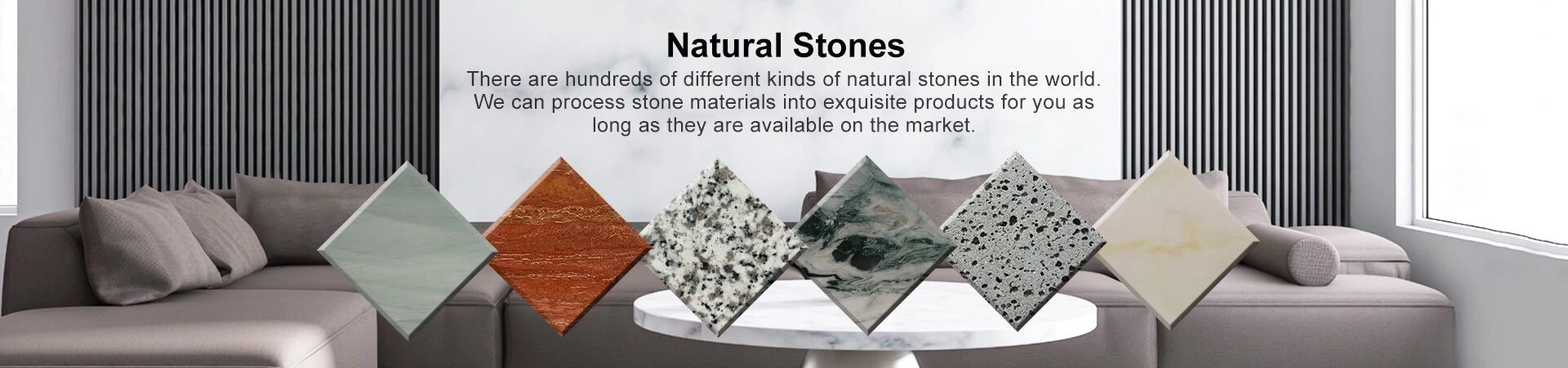
At Zhenhao Stone Company, we supply both standard stone tiles and customized cut-to-size stone products in granite, marble, basalt, limestone, travertine, porphyry, and other natural stones. Whether your project requires standard dimensions or fully customized fabrication, our team can provide solutions tailored to your specifications.