
Natural stone is a durable building material, but improper packaging and handling can lead to costly damage during transportation. Different types of stone require different packing methods to ensure they arrive at the project site in perfect condition. At Zhenhao Stone Company, we place great importance on safe packaging and transportation, especially for export projects that require long-distance shipping.
1. Use Strong Wooden Crates for Granite Products
Granite is known for its hardness, high density, and excellent durability. However, granite products can still be damaged if they move inside the crate during transportation.
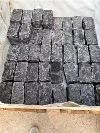
For granite paving stones, tiles, kerbstones, cobblestones, and cut-to-size products, we recommend:
- High-strength fumigated wooden crates.
- Plastic or steel packing straps for external reinforcement.
- Tight internal packing to prevent movement.
- Proper weight distribution inside each crate.
- Corner protection for polished surfaces.
Well-constructed wooden crates combined with reinforced packing straps significantly reduce the risk of breakage during loading, unloading, and sea transportation.

2. Provide Extra Protection for Marble Products
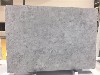
Marble is generally more delicate than granite. Many marble varieties contain natural veins, making them more vulnerable to cracking under impact or vibration.
For marble slabs, tiles, and custom-made products, additional protection is essential:
- Foam padding between stone pieces.
- Protective foam sheets on polished surfaces.
- Edge and corner protectors.
- Shock-absorbing materials inside crates.
- Secure fixing to prevent movement during transit.
These protective measures help minimize damage caused by vibration, pressure, and accidental impacts.

3. Special Packaging for Fragile Countertops and Custom Shapes
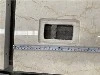
Custom countertops, vanity tops, curved pieces, and other fabricated marble products require even greater attention.
Irregular shapes often contain narrow sections, cut-outs, sink openings, or delicate edges that can break easily during transportation.
Recommended packaging methods include:
- High-density foam wrapping.
- Customized Styrofoam (EPS) supports.
- Individual protection around sink cut-outs.
- Reinforced corner guards.
- Heavy-duty wooden crates with external reinforcement.
- Every fragile section should be independently protected before being placed inside the crate.


4. Prevent Moisture During Shipping
Moisture can affect packaging materials and may cause staining on some natural stones.
Best practices include:
- Packing stones only when completely dry.
- Using waterproof plastic covers when necessary.
- Keeping containers properly ventilated.
- Avoiding direct exposure to rain during loading.
5. Work with Experienced Stone Packaging Teams
Professional packaging is often the difference between a successful delivery and a costly claim. Experienced stone exporters understand how different materials behave during transportation and can select the most suitable packaging method for each product.
At Zhenhao Stone Company, every order is packed according to the material type, product size, and transportation requirements. From durable granite paving products to delicate marble countertops, we use reinforced wooden crates, packing straps, foam protection, and customized packaging solutions to help ensure that products arrive safely at their destination.
Conclusion
Reducing breakage during stone transportation starts with proper packaging. Granite products benefit from strong wooden crates and reinforced straps, while marble products require additional foam protection and shock absorption. For fragile custom-made countertops and special-shaped pieces, customized foam, Styrofoam supports, and heavy-duty wooden crates provide the highest level of protection.
Careful packaging not only reduces transportation damage but also protects project schedules, lowers replacement costs, and improves customer satisfaction. For stone projects requiring secure international shipping, investing in professional packaging is always worthwhile.