

Professional Installation Reference for Contractors and Landscape Builders
Granite cube paving (also called granite cobblestone paving) is widely used in streets, plazas, driveways, parks, and historical restoration projects due to its exceptional durability and natural appearance. Proper installation is critical to ensure long-term structural stability, drainage performance, and visual consistency.
While Zhenhao Stone Company focuses on supplying high-quality granite cube pavers tailored to project requirements, the company also provides professional installation references based on common construction practices used by contractors worldwide.
The following guide summarizes typical field installation methods used by local paving contractors.
1. Typical Structure of Granite Cube Pavement
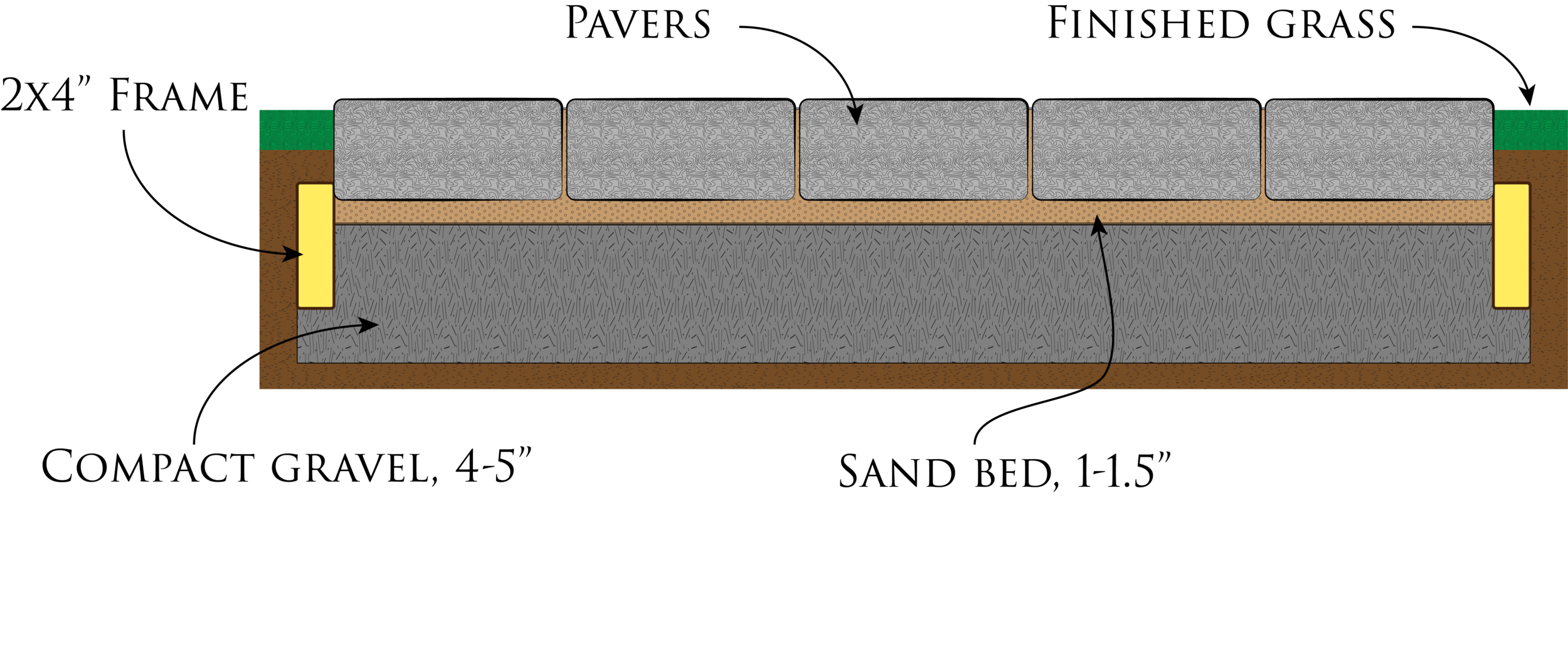
A standard granite cube paving system generally consists of several layers:
1. Subgrade (Compacted Soil)
- Existing ground is excavated and compacted.
- Weak soils should be stabilized or replaced.
2. Sub-base Layer (Crushed Aggregate)
- Thickness: typically 150–300 mm depending on traffic load.
- Materials: crushed stone or road base.
Compacted in multiple layers to achieve structural stability.
3. Bedding Layer
- Usually 30–50 mm sand or mortar bed.
- Provides leveling and positioning for granite cubes.
4. Granite Cube Pavers
Common sizes:
- 90×90×90 mm
- 100×100×100 mm
- 100×100×50 mm (for pedestrian areas)
5. Joint Filling Material
- Sand
- Cement mortar
- Polymeric joint filler (in some modern projects)
The choice of system depends on traffic load, climate, and local construction standards.
2. Main Installation Methods Used in Practice
A. Sand-Set Installation (Flexible System)
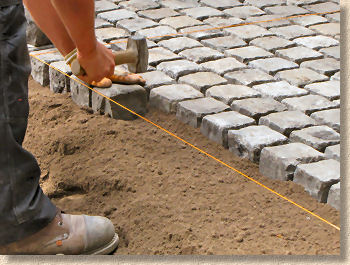
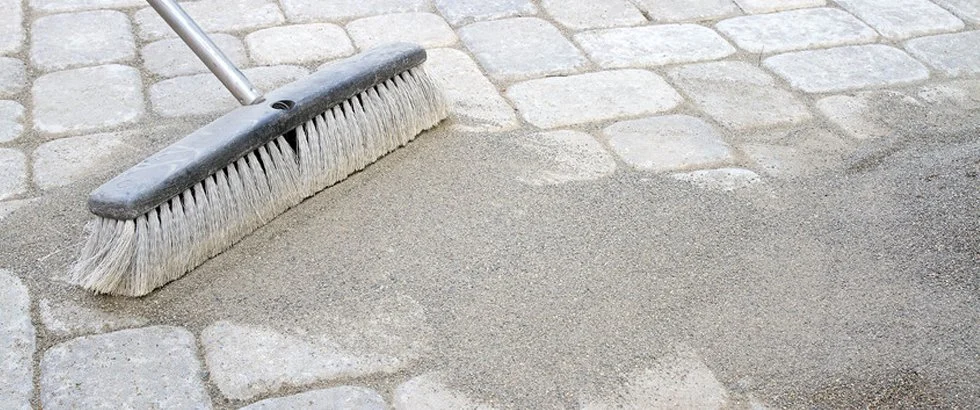
This method is commonly used for:
- Landscape paving
- Residential driveways
- Pedestrian plazas
- Garden paths
Installation Steps
Excavation and Subgrade Preparation
Excavate to required depth.
Compact soil to avoid settlement.
Install Crushed Stone Sub-base
Place aggregate in layers (100–150 mm each).
Compact thoroughly.
Prepare Bedding Sand Layer
Spread 30–50 mm coarse sand.
Screed to achieve a uniform surface.
Place Granite Cube Pavers
Lay stones manually according to the chosen pattern.
Maintain consistent joint spacing.
Compaction
Light plate compactor with protective mat.
Joint Filling
Sweep sand into joints.
Water lightly and repeat until joints are filled.
Advantages
Good drainage
Flexible structure (accommodates ground movement)
Easier maintenance
B. Mortar-Set Installation (Rigid System)
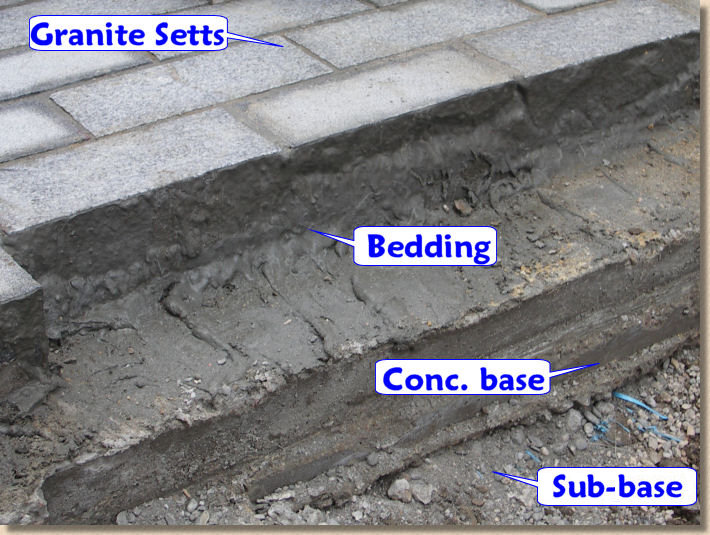
This method is widely used for:
- Urban streets
- Heavy traffic areas
- Municipal infrastructure
- Historical restoration roads
Installation Steps
Concrete Base Construction
Reinforced concrete slab typically 100–150 mm thick.
Mortar Bedding Layer
Cement mortar (about 30–40 mm thick).
Placement of Granite Cubes
Stones pressed into mortar bed.
Level adjusted with rubber hammer.
Joint Grouting
Cement slurry or mortar grout fills joints.
Final Cleaning and Curing
Surface washed after initial set.
Curing period usually several days.
Advantages
Very high load capacity
Excellent structural stability
Long service life for road traffic
Popular patterns include:
- Fan pattern (common in European streets)
- Radial / arc pattern
- Running bond pattern
- Grid pattern
- Random natural layout
Patterns are often selected based on:
- Architectural design
- Traffic direction
- Historical restoration requirements
4. Important Technical Considerations
Drainage
Proper slope (usually 1–2%) is essential to prevent water accumulation.
Joint Width
Typical joint width ranges between 8–15 mm depending on cube size.
Edge Restraints
Concrete curbs or stone borders are necessary to prevent lateral movement.
Stone Quality
Granite cubes should have:
- High compressive strength
- Low water absorption
- Good freeze-thaw resistance
5. Material Supply Considerations
Although installation is normally performed by local contractors, selecting the right stone product plays a crucial role in project performance.
Zhenhao Stone Company focuses on providing granite cube pavers suitable for different construction requirements, including:
- Natural split surface for anti-slip performance
- Accurate sizing for consistent joints
- Durable granite materials for long-term paving projects
- Various colors such as grey, yellow, black, red, and white granite
The company works closely with project buyers, contractors, and landscape designers to recommend the most suitable granite cube specifications for each application.
✅ Conclusion
Granite cube paving is one of the most durable and visually distinctive stone paving systems. Successful installation depends on proper sub-base preparation, correct bedding method, and careful stone placement.
While installation methods may vary according to local construction standards and contractor experience, understanding these professional guidelines can help project planners select the most suitable paving system for long-lasting results.