
Porphyry is a type of igneous rock that is formed from a magma chamber deep within the Earth's crust. The magma is rich in silica and minerals, which crystallize within the magma chamber over time. This process creates a large, coarse-grained rock that is known for its striking appearance.
The formation of porphyry begins when magma rises and gets trapped in a magma chamber. As the magma cools, crystals begin to form. The first minerals to crystallize are usually pyroxene and olivine. These minerals settle to the bottom of the magma chamber, creating a layer of dense, dark rock.
As the magma continues to cool, other minerals begin to crystallize. These minerals include feldspar, quartz, and mica. Unlike the pyroxene and olivine, these minerals are lighter and rise to the top of the magma chamber. As they accumulate, they create a layer of light-colored rock on top of the dark layer.
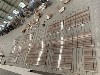
Here shows you the green porphyry from Fujian, China. Do you like this natural stone? This stone is very popular in outdoor paver, cubes, small tiles.

As the magma chamber cools further, the rock may crack or become fractured. This allows groundwater to seep in and react with the minerals in the rock. This process creates secondary minerals, such as copper, gold, and silver, which are often found in porphyry deposits.
Porphyry is often mined for its copper content, which is used for wiring, plumbing, and other applications. It is also used as a decorative stone in buildings and monuments.
In summary, porphyry is formed from a magma chamber deep within the Earth's crust. The cooling and crystallization of minerals within the magma chamber create a large, coarse-grained rock that is known for its striking appearance. The presence of groundwater can create secondary minerals, such as copper, gold, and silver, which are often mined from porphyry deposits.