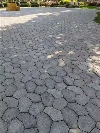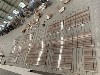

Porphyry stone, also known as porphyry, is a natural stone that is usually used in construction and landscaping projects. It is a volcanic rock that is formed when magma slowly cools beneath the earth's surface. Porphyrystone has a unique texture and color that makes it highly desirable for use in buildings and outdoor spaces.
One of the distinguishing features of porphyrystone is its color. It is typically a deep reddish-brown hue, although it can also be found in shades of gray, beige, and green. The green porphyry stone has a distinctive speckled appearance, caused by the inclusion of other minerals during the cooling process. This unique coloring and texture make it a popular choice for outdoor spaces and plazas in cities around the world. Please see the following photo of green porphyry stone.

In addition to its visual appeal, porphyry stone is also highly durable and resistant to weathering. It can withstand harsh weather conditions, such as extreme cold and heat, and is impervious to water damage. This makes it an excellent choice for use in construction projects, such as paving, steps, and facades.
Porphyry stone is also valued for its versatility. It can be cut and carved into a variety of shapes and sizes, making it ideal for a range of applications. Whether used as cobblestones in a walkway or as decorative accent pieces on a building facade, porphyrystone adds a unique and stylish element to any design.
Some of the most famous examples of porphyry use can be found in ancient Roman architecture, such as in the columns of the Pantheon and in the porphyry sarcophagi of the Imperial Family. Today, porphyrystone is still a popular choice for architects and designers around the world who value its combination of beauty and durability.