
What Is Crushed Stone Aggregate?
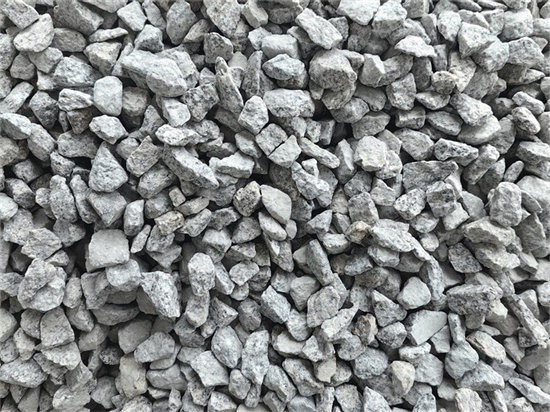
Crushed stone aggregate is a construction material produced by mechanically breaking down large natural rocks-such as granite, limestone, basalt, or gravel-into smaller, angular fragments. These particles are processed through crushing, screening, and grading to meet specific size and performance requirements for use in construction and infrastructure projects.
How Crushed Stone Aggregate Is Produced
The production process typically involves several stages:
- Extraction – Raw rock is extracted from quarries.
- Primary Crushing – Large rocks are reduced to smaller pieces using jaw crushers.
- Secondary and Tertiary Crushing – Further size reduction using cone or impact crushers.
- Screening and Grading – Material is sorted into different size ranges.
- Washing (if required) – Removes dust, clay, or impurities.
The result is a range of aggregate sizes suitable for different construction applications.
Common Sizes of Crushed Stone Aggregate
Crushed stone is available in various sizes depending on project needs:
- 0–5 mm (stone dust / fines) – Used for bedding, paving, and fillers
- 5–10 mm – Concrete mixes and drainage
- 5–20 mm – General construction and structural concrete
- 5–30 mm – Road base and foundation layers
Key Characteristics
Crushed stone aggregate has several important properties:
- Angular shape – Provides strong interlocking and stability
- High strength – Suitable for load-bearing applications
- Good drainage – Especially in larger sizes
- Durability – Resistant to wear and environmental conditions
These characteristics make it essential for structural and civil engineering use.
Main Applications
Crushed stone aggregate is widely used in:
1. Concrete Production
Acts as a key component in concrete, providing strength and volume.
2. Road Construction
Used for sub-base, base layers, and asphalt mixtures.
3. Railway Ballast
Supports railway tracks and ensures proper drainage.
4. Drainage Systems
Allows water to flow through without soil erosion.
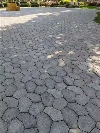
5. Landscaping and Paving
Used in pathways, driveways, and decorative ground cover.
Crushed Stone vs Natural Gravel
- Crushed stone: Angular, better interlocking, higher strength
- Natural gravel: Rounded, smoother, less stable under load
For structural applications, crushed stone is generally preferred.
Conclusion
Crushed stone aggregate is a fundamental material in modern construction, valued for its strength, versatility, and wide range of applications. By selecting the appropriate size and material type, contractors and engineers can ensure optimal performance in projects ranging from concrete production to large-scale infrastructure development.