Choosing between travertine and limestone depends entirely on your specific project, priorities, and aesthetic preference. Neither is universally "better" – they each have distinct strengths and weaknesses:
Key Differences & Considerations
1. Formation & Appearance:
Travertine: Formed in hot springs/caves, trapping gases/bubbles. This creates its signatureporous texture with natural holes and voids (often filled during processing). Colors tend toward warm tones (ivory, gold, walnut, rust) with visible banding and swirls.
Limestone: Formed in calm marine environments from compressed shells/sediments. Generally denser and more uniform than travertine, though it can have fossils and subtle veining. Colors range from light creams and beiges to grays, blues, and deeper browns. Appearance is typically more consistent and less textured than travertine.
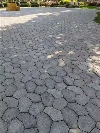
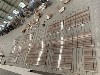
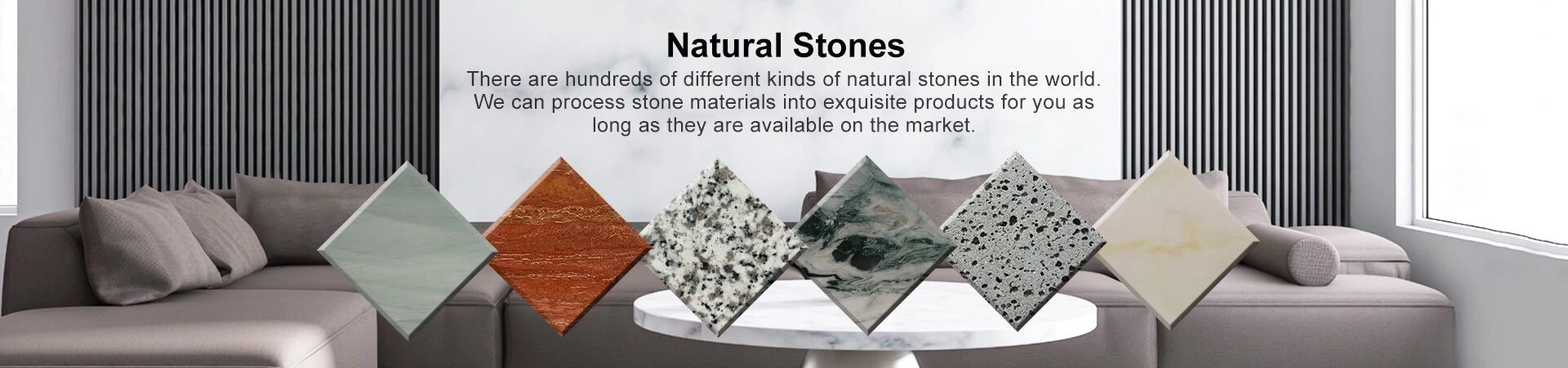
Here, the effect of our Travertine and Limestone wall tiles product after installation is provided for your reference.


2. Durability & Porosity:
Travertine: More porous and softer than limestone due to its formation. The natural pits/holes make it more susceptible to staining, scratching, and chipping, especially around the filled areas. Requires more diligent sealing and maintenance. Less resistant to freeze-thaw cycles outdoors.
Limestone: Generally denser and harder than travertine, making it slightly more resistant to scratching and wear. Still porous and requires sealing, but often less vulnerable than unfilled travertine. Better suited for higher traffic areas and outdoor use in milder climates (though sealing is still critical).
3. Maintenance:
Both: Require regular sealing (at installation and periodically thereafter) to protect against stains and etching from acids (like lemon juice, vinegar, wine). Clean with pH-neutral cleaners. Avoid harsh chemicals.
Travertine: Needs more frequent sealing due to higher porosity. The filled holes can sometimes pop out or discolor over time, requiring repair. Textured surfaces can trap dirt.
Limestone: Generally slightly easier to maintain than travertine due to its density, but still requires care. Etching (dulling from acids) can be more noticeable on polished finishes.
4. Finish Options:
Travertine: Commonly honed, tumbled, brushed, or filled/polished. Its natural texture lends itself well to rustic or textured finishes. High polish is less common and can highlight imperfections in the fill.
Limestone: Takes a wider range of finishes well, including honed, polished, brushed, tumbled, and sandblasted. Polished limestone offers a sophisticated, smooth look.
5. Cost:
Travertine: Often slightly more expensive than limestone due to the filling and finishing processes required to make it usable for many applications. Higher-end varieties (like Roman Travertine) can be significantly pricier.
Limestone: Generally slightly less expensive than travertine for comparable grades and finishes, but premium varieties exist. Cost varies greatly by type, origin, and finish.
Recommendations Based on Application
Indoor Flooring (Moderate Traffic): Limestone is often the preferred choice due to its better density and slightly easier maintenance. Choose a honed or textured finish for slip resistance.
Indoor Flooring (High Traffic/Entryways): Limestone is generally the more durable option. Avoid polished finishes.
Bathroom Walls/Showers: Travertine is very popular here for its warm, textured aesthetic. Ensure it's very well sealed. Limestone is also a good, elegant choice if sealed meticulously.
Kitchen Countertops: Not generally recommended for either due to porosity, susceptibility to etching, and staining. If you insist, limestone is slightly more resilient than travertine, but requires extreme care and frequent sealing. Consider quartzite or granite instead.
Outdoor Patios/Pool Decks: Limestone is usually the better choice due to its higher density and better resistance to weathering and freeze-thaw cycles (especially in colder climates). Use a textured finish. Tumbled travertine can work in very mild climates but requires intense sealing and maintenance; it can become slippery and deteriorate faster.
Wall Cladding/Facades: Both are excellent choices aesthetically. Durability outdoors favors limestone. Travertine offers a unique texture.
Aesthetic Preference (Rustic/Earthy): Travertine wins for its unique texture, warmth, and character.
Aesthetic Preference (Elegant/Uniform): Limestone often provides a more refined, consistent, and sophisticated look, especially polished or honed.
In Summary
Choose Travertine if: You prioritize its unique, warm, textured aesthetic (especially for walls, bathrooms, Mediterranean/Tuscan styles), and you are willing to commit to more frequent sealing and careful maintenance. Best for moderate indoor traffic or decorative use.
Choose Limestone if: You prioritize slightly better durability, density, and easier maintenance, prefer a more uniform or sophisticated appearance, or need stone for higher-traffic areas, countertops (with caution!), or outdoor applications (especially in variable climates).
Crucially: Whichever you choose, quality of installation and diligent, ongoing sealing/maintenance are paramountfor long-term performance and beauty. Always discuss your specific project location and use case with a reputable stone supplier and installer.