

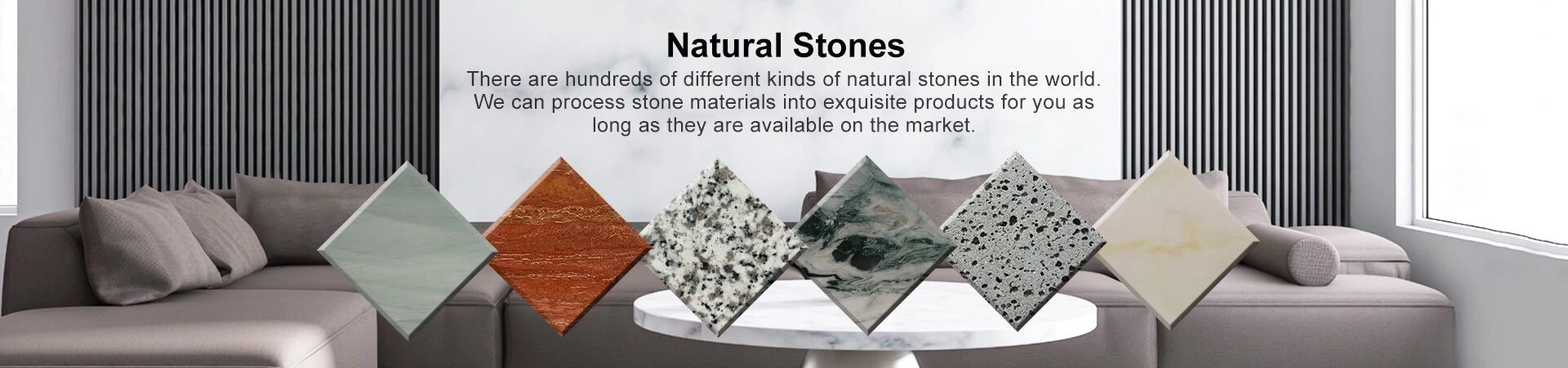
The choice between travertine and porcelain tile depends on your priorities-durability, maintenance, aesthetics, cost, and application. Here's a detailed comparison to help you decide:
1. Durability & Strength
✅ Porcelain Tile –
Extremely hard, dense, and resistant to scratches, chips, and cracks.
Better for high-traffic areas (kitchens, entryways, commercial spaces).
Frost-resistant, making it ideal for outdoor use in cold climates.
✅ Travertine –
A natural stone (a type of limestone), softer and more porous than porcelain.
Can chip, scratch, or etch from acidic substances (lemon juice, vinegar).
Requires sealing to prevent staining and water damage.
Winner: Porcelain for heavy use; travertine for moderate/low-traffic areas.
2. Water & Stain Resistance
✅ Porcelain Tile –
Nearly non-porous (water absorption rate < 0.5%), making it great for bathrooms, pools, and wet areas.
Resists stains from spills (coffee, wine, oils).
✅ Travertine –
Porous, so it absorbs liquids if not properly sealed.
Needs resealing every 1–3 years to prevent water damage and stains.
Winner: Porcelain for wet areas; travertine needs more maintenance.
3. Slip Resistance & Safety
✅ Porcelain Tile –
Can be textured for slip resistance (good for pool decks, showers).
Glossy finishes may be slippery when wet.
✅ Travertine –
Naturally textured and grippy, even when wet.
Safer for pool surrounds and bathrooms.
Winner: Travertine for natural slip resistance; porcelain can be customized.
4. Aesthetics & Style
✅ Porcelain Tile –
Can mimic travertine, marble, wood, or concrete with high-definition printing.
Consistent color and pattern (good for large, uniform installations).
✅ Travertine –
Unique natural veining, pits, and color variations (warmer, organic look).
Classic, high-end appeal (used in Roman architecture, luxury homes).
Winner: Travertine for natural elegance; porcelain for design flexibility.
5. Maintenance & Longevity
✅ Porcelain Tile –
Virtually maintenance-free (no sealing required).
Easy to clean (just sweep and mop).
✅ Travertine –
Requires periodic sealing to prevent stains and etching.
Avoid acidic cleaners; use pH-neutral products.
Winner: Porcelain for low maintenance; travertine needs care but ages beautifully.
6. Cost Comparison
✅ Porcelain Tile –
$3–$10/sq. ft. for standard tiles; $10–$20+/sq. ft. for premium/large-format.
Lower installation cost (easier to cut and handle).
✅ Travertine –
$5–$15/sq. ft. for tiles; $15–$30+/sq. ft. for premium grades.
Higher installation cost (requires skilled cutting and sealing).
Winner: Porcelain is generally more budget-friendly.
7. Best Uses
✅ Choose Porcelain If You Need:
High durability (kitchens, entryways, outdoor patios).
Low maintenance (rentals, busy households).
Modern, uniform aesthetics.
✅ Choose Travertine If You Prefer:
Natural, timeless beauty (bathrooms, fireplace surrounds).
A warm, earthy feel (Mediterranean, rustic, or classic designs).
Don't mind occasional sealing.
Final Verdict:
Porcelain is better for durability, moisture resistance, and low upkeep.
Travertine is better for natural elegance, slip resistance, and luxury appeal.
Alternative Consideration:
Porcelain tiles that mimic travertine offer a middle ground-looks like stone but performs like porcelain.
Would you like recommendations for specific brands or finishes?


