Choosing between travertine and marble depends on your priorities for appearance, durability, maintenance, and budget. Here's a detailed comparison to help you decide:
1. Appearance & Style
| Feature | Marble | Travertine |
|---|---|---|
| Look | Elegant, glossy, dramatic veining | Rustic, earthy, porous with natural pits/holes |
| Finish Options | Polished (shiny), honed (matte) | Honed, brushed, tumbled (textured) |
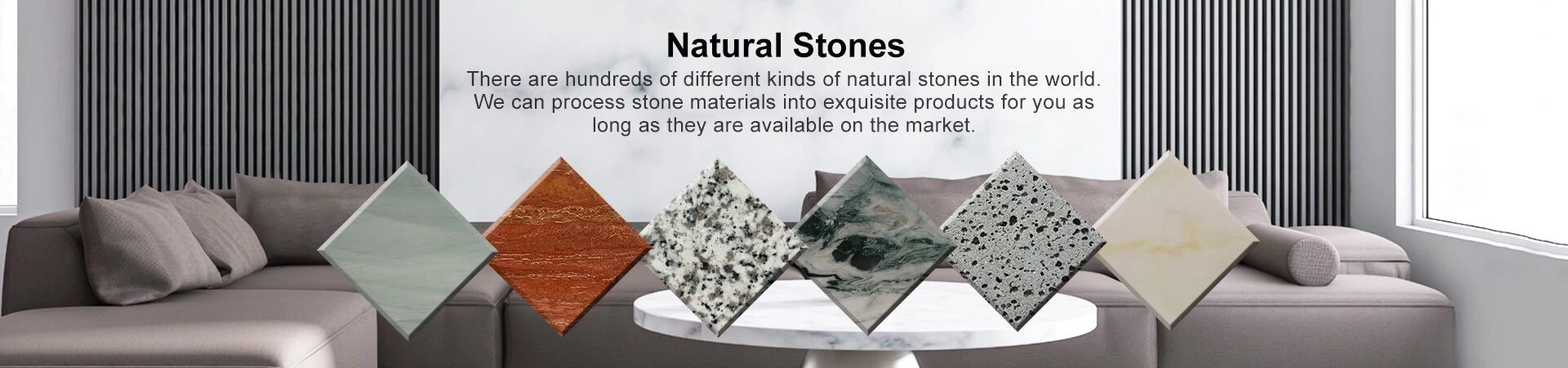
| Colors | White (Carrara, Calacatta), black, green, beige | Beige, cream, gold, walnut, red |
| Best For | Luxury interiors (floors, countertops, walls) | Outdoor patios, pool decks, Mediterranean/Tuscan styles |
Winner?
- Marble for a high-end, sophisticated look.
- Travertine for warm, natural, textured appeal.


2. Durability & Hardness
| Feature | Marble | Travertine |
|---|---|---|
| Mohs Hardness | 3–4 (softer, scratches easily) | 4–5 (slightly harder) |
| Etching | Easily etched by acids (lemon, vinegar) | Less prone to etching but still vulnerable |
| Chips/Cracks | Can chip if heavy objects are dropped | More resistant due to its porous structure |
| Best Use | Low-traffic indoor areas (bathrooms, accent walls) | Indoor/outdoor (if sealed), high-moisture areas |
Winner?
- Travertine is slightly more durable for floors and outdoor use.
- Marble is more delicate but excels in formal interiors.
3. Maintenance & Care
| Feature | Marble | Travertine |
|---|---|---|
| Sealing Required? | Yes (every 6–12 months) | Yes (more frequently due to pores) |
| Stain Resistance | Poor (absorbs oils, wine) | Worse (holes trap dirt) |
| Cleaning | pH-neutral cleaners only | Same, but harder to clean pits |
| Long-Term Wear | Polished marble loses shine over time | Develops a patina (aged look) |
Winner?
Marble is easier to clean (if sealed) but stains/etches easily.
Travertine requires more upkeep due to its porous holes.
4. Slip Resistance & Texture
Marble (Polished): Slippery when wet (avoid in bathrooms/pools).
Travertine (Filled and Honed/Tumbled): Naturally textured, better grip-ideal for pool decks, showers.
Winner? Travertine for wet/slip-prone areas.
5. Cost Comparison
| Type | Price Range (per sq. ft.) |
|---|---|
| Marble | $5 – $50+ (Premium: Calacatta, Statuario) |
| Travertine | $3 – $20 (More affordable) |
Winner? Travertine is usually cheaper, but basic marble (Carrara) can compete.
6. Best Applications
| Marble is Better For: | Travertine is Better For: |
|---|---|
| ✔ Luxury floors (living rooms, lobbies) | ✔ Outdoor patios, pool coping |
| ✔ Countertops (if sealed properly) | ✔ Bathroom floors (textured finish) |
| ✔ Feature walls, fireplace surrounds | ✔ Mediterranean/Spanish-style homes |
| ✖ Avoid in kitchens (acid stains) | ✖ Avoid in high-spill areas (dirt traps) |
Final Verdict: Which is Better?
Choose MARBLE if: You want a luxurious, high-end look for indoor, low-traffic areas and don't mind frequent sealing/maintenance.
Choose TRAVERTINE if: You prefer a rustic, textured finish for outdoor or high-moisture areas and can handle extra cleaning.
Tip: For a marble-like look with better durability, consider porcelain tiles mimicking marble-they're stain-proof and need no sealing!
Would you like recommendations for specific rooms (e.g., kitchen backsplash, bathroom floor)?