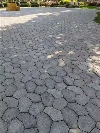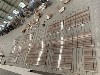

The holes in your travertine are completely natural and intentional – they're a defining characteristic of the stone, not a defect! Here's why they exist and what they mean:
🌋 The Science Behind the Holes:
Formation Process:
Travertine forms near hot springs or mineral-rich waters where dissolved calcium carbonate (CaCO₃) rapidly precipitates out of solution. As this happens:
CO₂ Gas Bubbles get trapped in the sticky, mineral-rich water.
When the stone solidifies, these gas bubbles escape, leaving behind cavities and pores.
It's like a "geologic Swiss cheese" – the holes are fossilized air pockets!
Biological Influence:
In some environments, microbes (like bacteria or algae) in the water produce gases as they grow, contributing to bubble formation and irregular pores.
⚒️ Hole Types & Stone Finishes:
| Type | Appearance | Common Use | Maintenance |
|---|---|---|---|
| Unfilled | Visible holes/pits (natural) | Rustic, outdoor | Dirt collects; needs filling |
| Filled | Holes filled with resin/cement | Indoor floors/walls | Smoother; easier to clean |
| Honed | Matte surface; holes visible | Modern interiors | Shows texture |
| Tumbled | Weathered edges; soft holes | Old-world styles | Hides wear |
✅ Why This is Normal (and Desirable!):
Authenticity: Holes prove it's genuine travertine – synthetic tiles don't replicate this well.
Texture & Grip: Outdoor pavers use holes for slip resistance (especially when wet).
Aesthetic Character: Designers value the organic, earthy texture holes provide.
⚠️ What to Watch For:
Dirt Trapping: Unfilled holes outdoors may collect debris (use polymeric sand during installation).
Edge Chipping: Thin edges around holes can chip if impacted (choose filled stone for high-traffic areas).
Sealing Needs: Always seal travertine – especially unfilled types – to prevent stains in pores.
🛠️ Managing Holes:
Fill Them:
Epoxy or cement fillers are used during fabrication (standard for indoor tiles).
DIY filling kits exist for minor repairs.
Embrace Them:
Clean regularly with a soft brush and stone-safe pH-neutral cleaner.
Re-seal every 1–2 years to protect porous surfaces.
🌎 Real-World Examples:
The Colosseum in Rome is built with unfilled travertine – its pitted surface tells a 2,000-year story!
Luxury spa bathrooms often use filled/honed travertine for a tactile, organic feel.
In short: Your travertine's holes are its birth certificate. They're a signature of natural stone formed by dynamic geothermal processes. If you prefer a smoother look, opt for factory-filled travertine next time – but don't see the holes as a flaw. They're proof of nature's artistry!